French Vacation Tips

Planning a smooth French adventure is easy when you map out your journey with care. Here’s a thoughtfully crafted itinerary starting in Marseille and moving north, with essential tips for each destination along the way. After wrapping up our journey with a busy day in Paris, I truly appreciated why river cruising is so popular—it offers a seamless way to glide into the beautiful countryside and explore the charming towns beyond the big cities.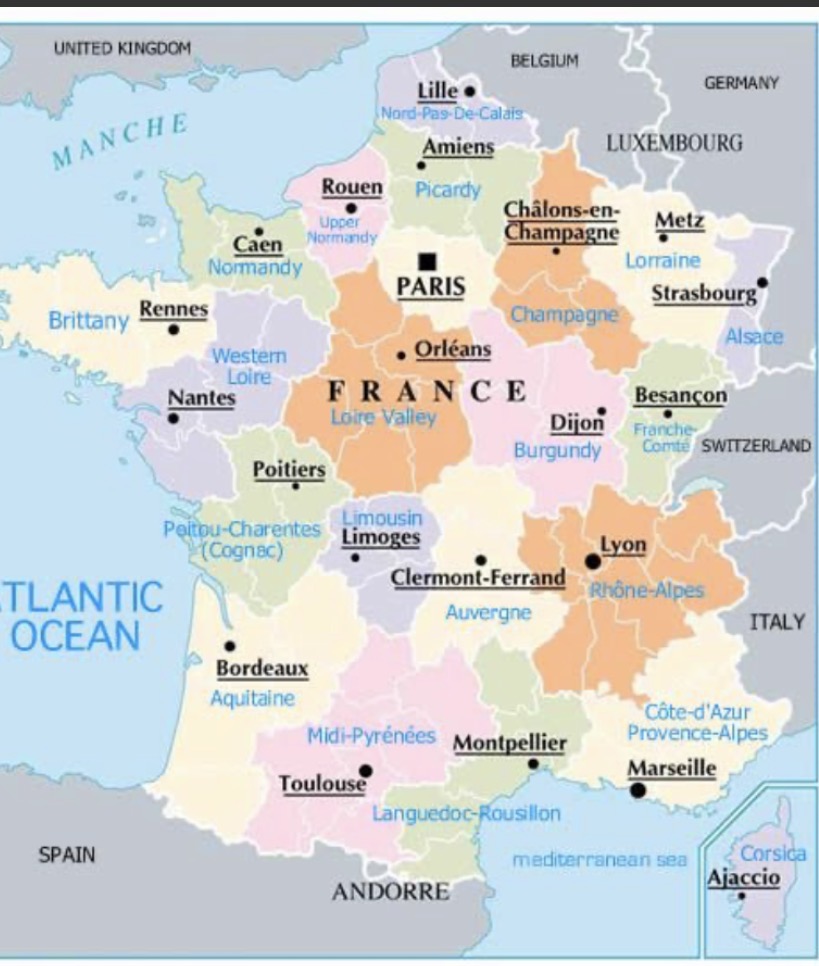
Fly into Marseille, a vibrant Mediterranean city with excellent connections to Provence. From there, head to Avignon to marvel at the stunning Papal Palace. Keep in mind, access can be tricky as the entrance involves about 30 steps. (There is a lift for the 1st floor)
Stay in style at Hotel Le Prieure Baumaniere, a luxurious Relais & Chateaux property surrounded by gardens with a great breakfast, plus a Michelin-starred restaurant just outside Avignon’s historic heart. For dining, check out cozy local spots like KOZY for creative small plates or Aubergine for hearty favorites such as oversized cheese platters and French-style hamburgers.
Nature lovers should consider a Camargue Safari near Arles to see wild horses, flamingos, and learn about local bull games where bulls take center stage. We also visited, enjoyed lunch, and the market in two beautiful villages: Gordes & Roussillon.
From Avignon, travel north to Lyon. Don’t miss the funicular ride up to Fourvière Hill to visit the stunning Sacred Heart Basilica and soak in panoramic views of the city. Lyon’s perfect blend of history, gastronomy, and lively neighborhoods makes it a highlight of your trip. We really enjoyed the walking tour that included multiple tastings from pralines and limoncello to a charcuterie tray and lunch at a bouchon. For wine lovers, a tour of the family-owned vineyards in the Beaujolais region, like Domaine De Fond-Vieille, offers stunning scenery reminiscent of Tuscany alongside exquisite wines.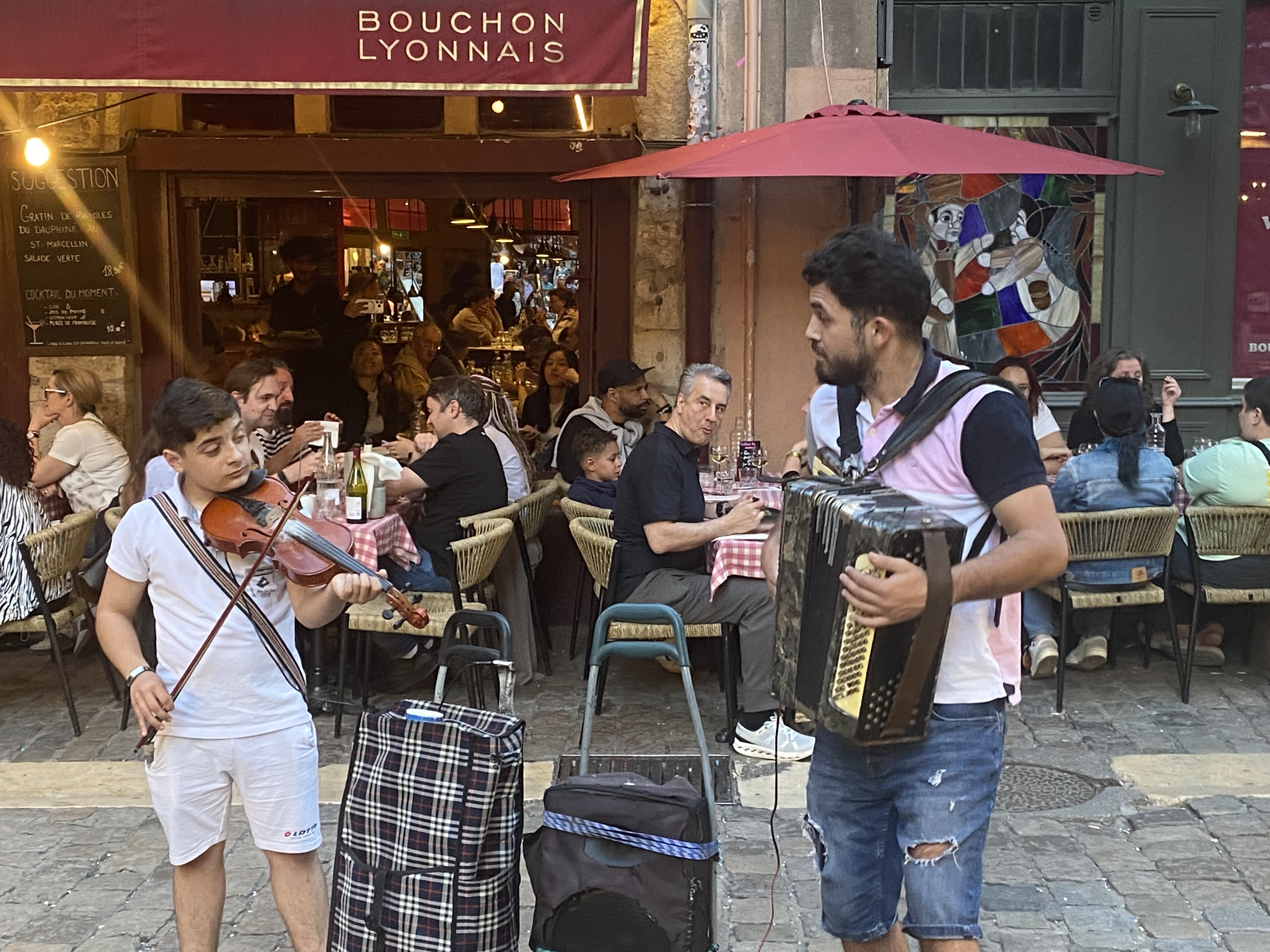
Continue onward to Paris (2 hours by train), the ideal gateway to the Loire Valley’s magnificent châteaux. Explore grand castles like Château de Chambord, Château de Chenonceau, and Château Royal d'Amboise, steeped in French royal history and Renaissance art, including Leonardo da Vinci’s influence. If overnighted at one of the Chateaus, then definitely plan your visit there. Taste the region’s renowned AOP/AOC wines, famous chèvre (goat cheeses), and local delicacies like rillettes for a true French culinary experience.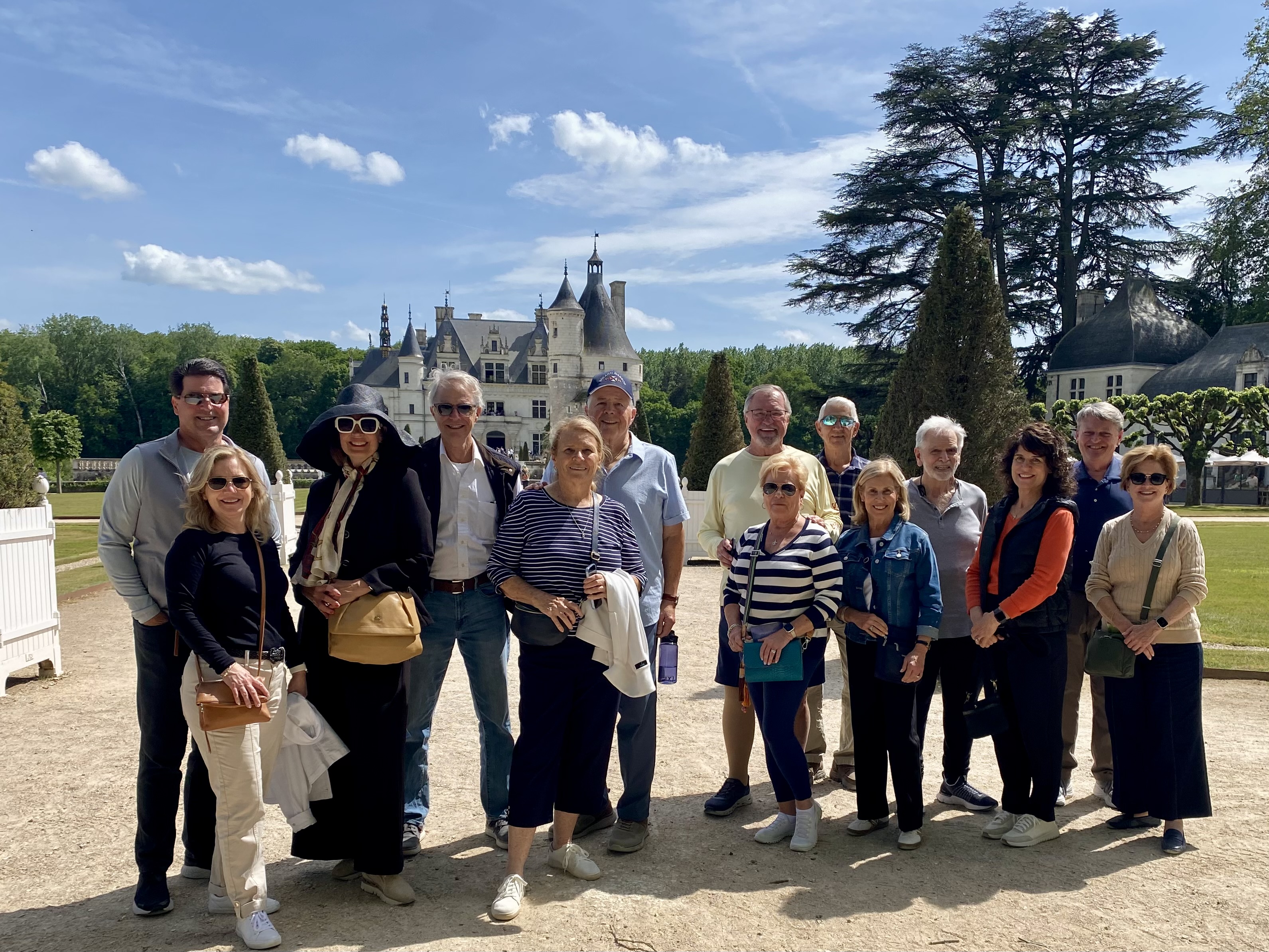
Next, venture northwest to Mont Saint-Michel. This breathtaking landmark requires climbing many steps and can be challenging for visitors with mobility issues, especially during busy summer months—plan accordingly.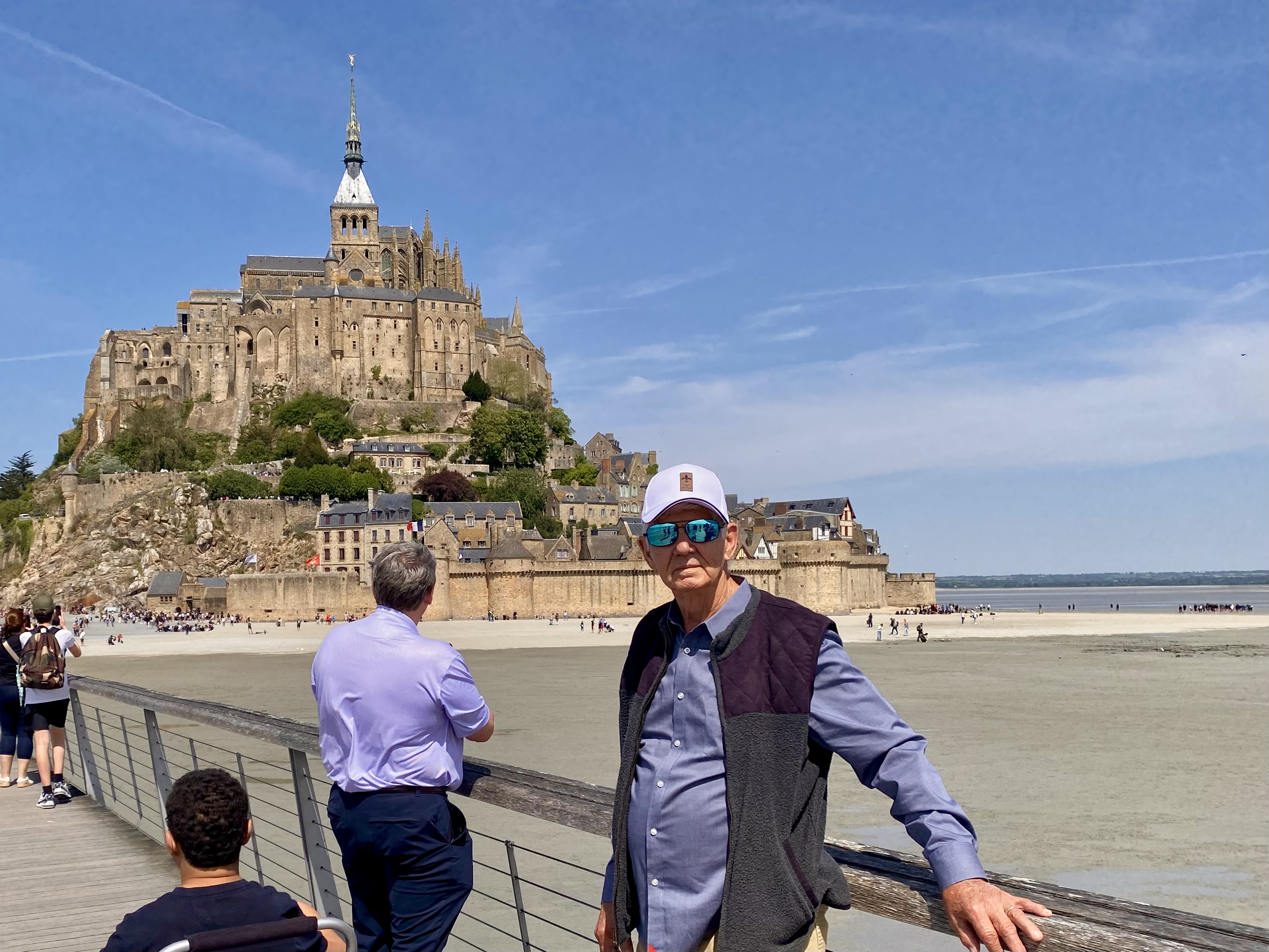
Head to Bayeux, one of Normandy’s best-preserved towns, spared from WWII bombing, leaving its historic charm intact. Note that only one city-center hotel offers air conditioning, so book early. May nights tend to be cool, and rooms are comfortable.
The famed Bayeux Tapestry is undergoing restoration and won’t be on display until around 2027, so enjoy the picturesque streets and nearby attractions instead. You will also find Le Petit Train Touristique de Bayeaux - a nice little ride around town for $8.
Conclude your trip with a relaxing Seine River cruise from Le Havre back to Paris. River cruising along the Seine immerses you in France’s iconic sites, charming towns, and rich culture. Knowing what to expect at each stop can make your journey smoother and more enjoyable.
Though not a classic picturesque town, Le Havre offers rich history, culture, and authentic Normandy life. Consider a moving D-Day historical tour that includes the Caen Memorial and museum built over a German bunker, or a half-day trip to the charming Honfleur for seafood, markets, and the wooden St. Stephen’s Cathedral. Le Havre itself is a story of resilience. It's Notre-Dame Cathedral, begun in the 12th century, has endured tidal bores, reconstruction, plundering, and WWII bombings, standing today as a powerful symbol of endurance.
Rouen, though heavily bombed during World War II, remains a charming city brimming with history and flavor. Food lovers will delight in the chance to sample some of Normandy’s most iconic cheeses—Camembert, Neufchâtel, and Livarot—alongside rich, decadent chocolates that make for perfect tastings.
Known as the City of Cathedrals, Rouen’s magnificent Main Cathedral is famous not only for its stunning Gothic architecture but also for inspiring a series of captivating paintings by Claude Monet. Exploring the city by bike is a rewarding experience, though be prepared for frequent stops at crossings that add a bit of challenge to your ride.
A poignant highlight of Rouen is the St. Joan of Arc Church, built right next to the spot where Joan of Arc was tragically burned at the stake.
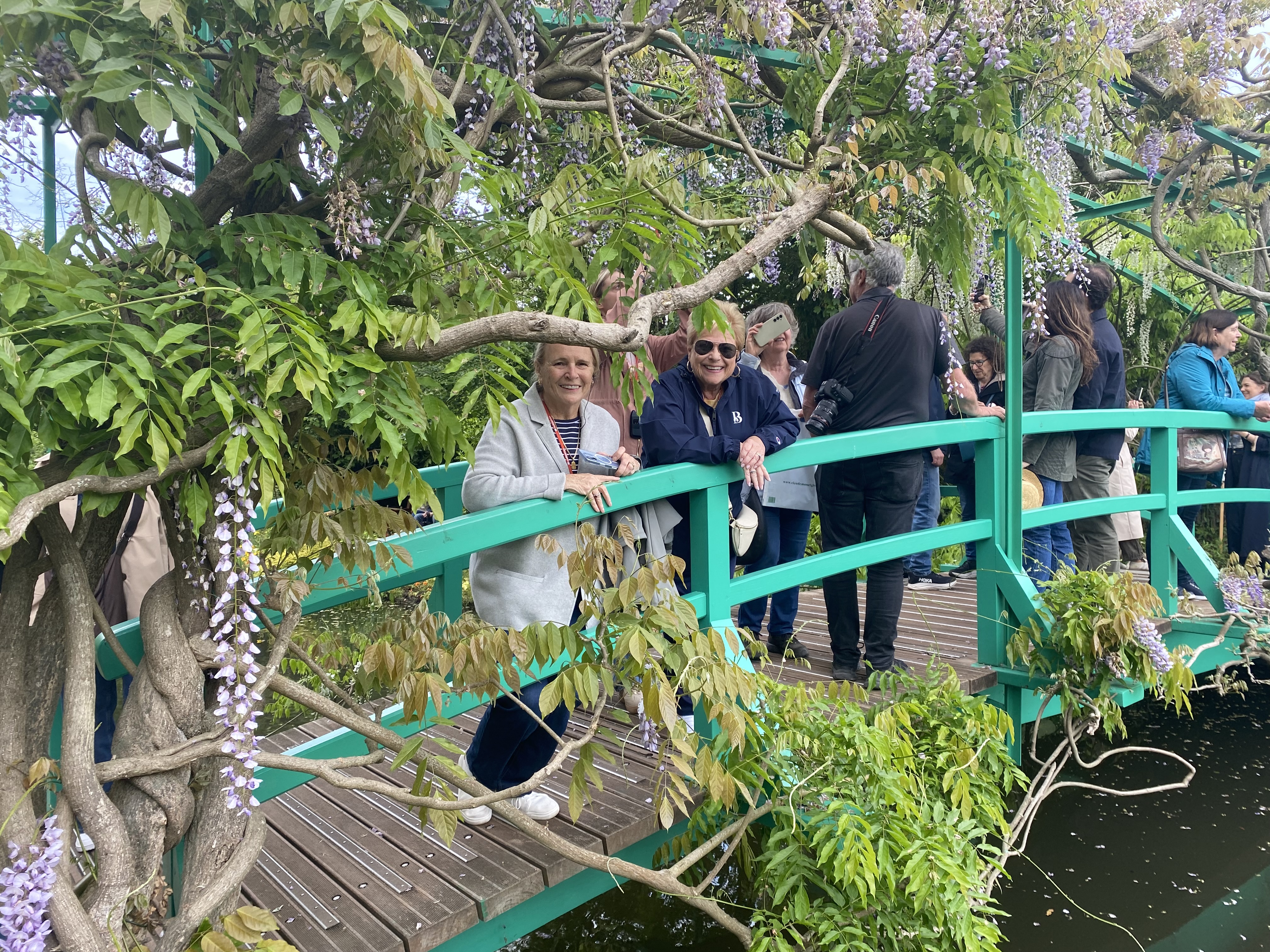 Mantes-la-Jolie: Quiet town with charming riverside views easily explored on foot. The 5th Notre Dame Cathedral we visited since the beginning of our journey:)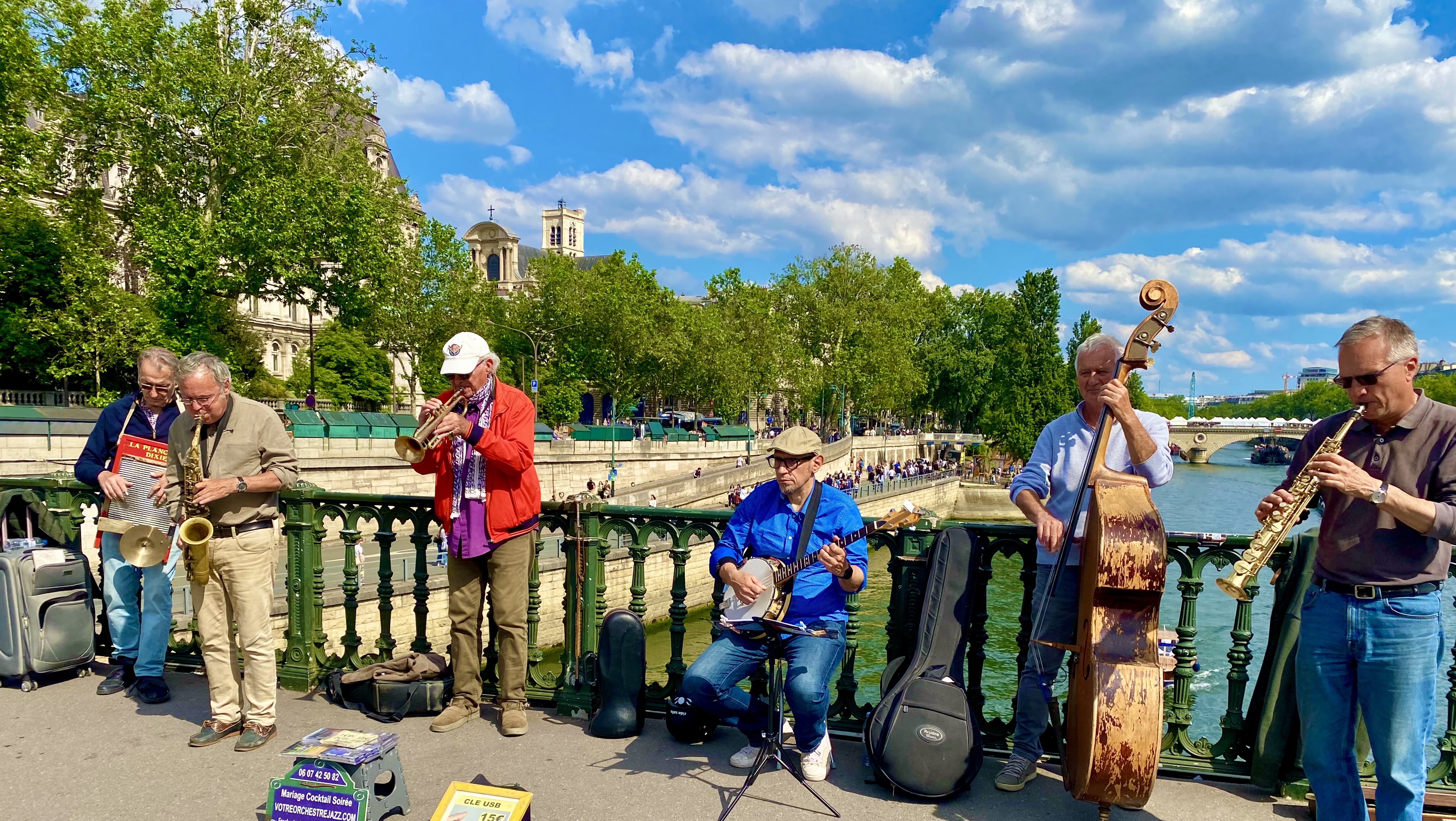

And finally, yes—I highly recommend France. The small towns and villages, the food, wine, cheese, and scenic walks were all absolutely fantastic. The weather in late April and early May was perfect—still refreshingly cool with plenty of sunny days. My husband, a Bourgeois by name, truly embraced the French way of life. He started his days sporting a man bag, sipping espresso, and even ventured to try snails featured on a seafood platter. What he especially loved were the countless outdoor cafés in Paris, where he could sit for hours watching the vibrant flow of thousands of people hustling by—a charming experience quite unlike anything he’s used to back home in Louisiana.